Lamps That Make Small Spaces Feel Bigger
Strategic lamp placement, brightness levels, and fixture styles that actually expand how your compact room feels and functions.

Why Lighting Matters More Than You Think
Small spaces need smart lighting. It's not just about brightness — it's about creating depth and visual flow that makes rooms feel open. When you get lighting right, a cramped apartment suddenly feels spacious. When it's wrong, even a decent-sized room feels claustrophobic.
The secret isn't complicated. You don't need expensive fixtures or professional installation. You need to understand how light moves through a space and where to position lamps so they open things up rather than close them down. We'll walk through the actual techniques that work.
Key Principle
Vertical lighting creates height. Layered light creates depth. Together, they transform perception of space.
Position Lamps Vertically First
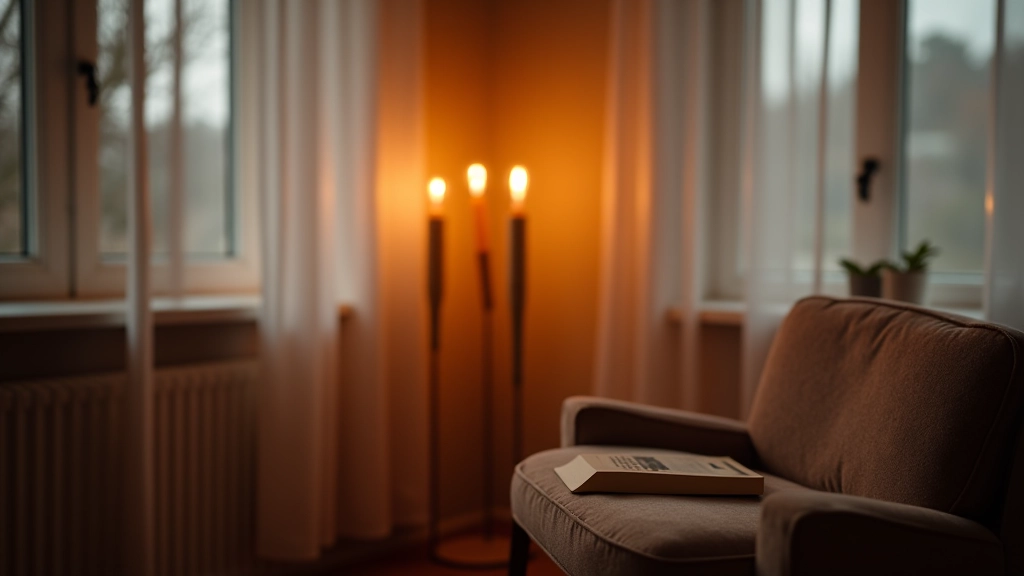
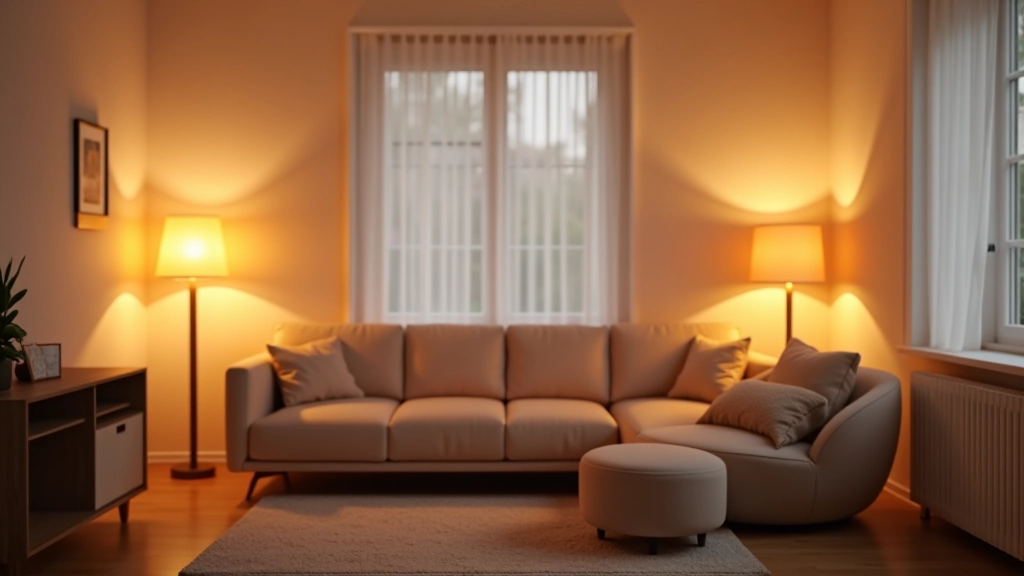
Here's what actually works: place at least one tall lamp in a corner. Arc floor lamps are ideal because they project light upward and outward. This creates shadow play on walls and ceiling that makes rooms feel taller.
Don't put all lights on tables at eye level. That's the mistake most people make. Eye-level lighting only illuminates the horizontal plane. It makes walls feel closer. Instead, vary heights. We're talking floor lamps (48-80 inches), table lamps (20-30 inches), and wall-mounted pieces at different heights.
Corner placement: Position tall lamp in corner, not centered. Corners feel "dead" in small spaces — lighting them makes the space feel used and bigger.
Upward angle: Choose arc lamps or fixtures that bounce light toward ceiling. Ceiling light makes rooms feel more open than floor-focused light.
Distance from wall: Keep lamps 12-18 inches from walls to create shadow depth. Too close and shadows flatten the space.
A Note on Bulb Selection
This article provides general lighting design guidance for residential spaces. Actual results depend on room size, wall colors, ceiling height, and existing natural light. For specific electrical work or fixture installation, consult a qualified electrician. When choosing bulbs, verify compatibility with your specific lamp fixtures before purchasing.
Brightness Levels Create the Illusion of Space
You'd think small spaces need bright lighting. They don't. Harsh, uniform brightness actually makes rooms feel smaller because shadows disappear. Instead, you want varied brightness levels that create visual interest and depth.
Think about it this way: your eye naturally follows light. If everything's equally bright, there's nowhere for your eye to travel — the room feels flat and cramped. But if you have brighter zones and dimmer zones, your eye moves through the space. Movement makes spaces feel larger.
Ambient Light
Background illumination at 30-40% brightness. Soft and diffused. Creates overall room glow without shadows.
Task Light
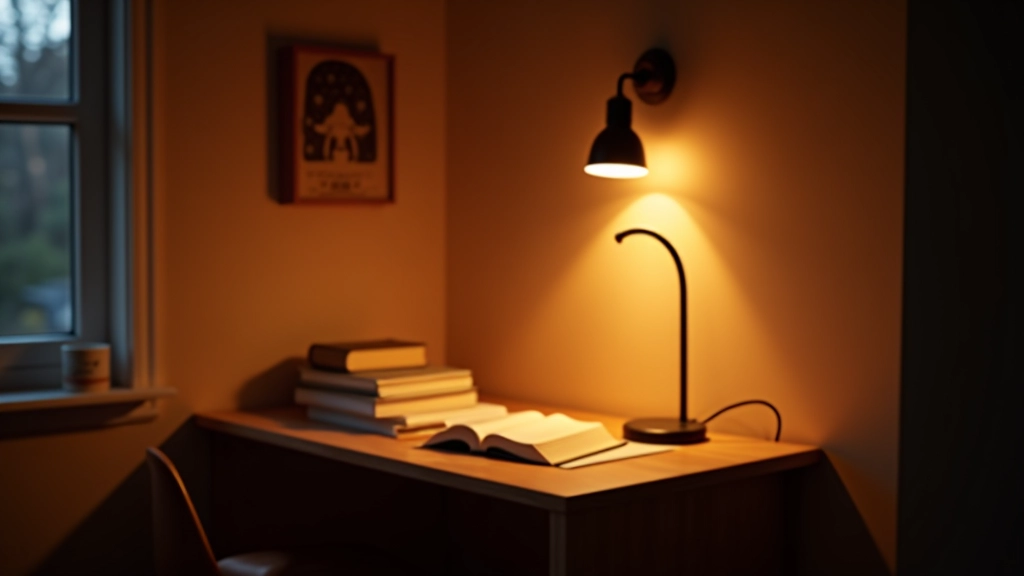
Focused at 60-80% brightness. For reading, working, or specific activities. Creates focal points that draw the eye.
Accent Light
Highlights at 20-30% brightness. Spotlights objects, artwork, or architectural features. Adds depth and dimension.
Fixture Styles That Actually Work
The style of lamp you choose sends visual signals about space. Bulky, dark fixtures make rooms feel smaller. Light, minimal designs open things up. Here's what to look for.
Arc Floor Lamps
Reach 80+ inches with a single arcing arm. Light projects upward and outward. They're thin visually — don't take up much floor space — but cover massive area with light. Best for corners in small rooms.
Tip: Choose matte finishes over shiny to avoid glare in tight spaces.
Tripod Floor Lamps
Lightweight design creates visual openness. Adjustable heights let you position light precisely where needed. The gaps between legs make rooms feel less cluttered.
Tip: Avoid thick, solid bases. Thin metal frames look less heavy.
Wall Sconces
Mount directly on walls — zero floor footprint. Perfect for small spaces where every inch matters. Use pairs on opposite walls to bounce light and create depth. 48-60 inches height is ideal.
Tip: Install at eye level (around 60 inches from floor) for balanced illumination.
Pendant Lights
Hang from ceiling to free up wall and floor space. Look for glass or open-frame designs that don't visually block light. Hang 24-36 inches above work surfaces.
Tip: Group multiple pendants in odd numbers (3, 5) for visual interest without clutter.
Practical Setup for Typical Small Rooms
Let's talk about actual setup. You don't need five lamps. You need the right lamps in the right places. For a 200-square-foot bedroom or studio, here's what works.
Bedroom Setup (150-250 sq ft)
- One arc floor lamp in corner opposite bed (main light)
- Two table lamps on nightstands at 24-30 inches height (reading light)
- One wall sconce above headboard or mirror (accent light)
- Total: 4 fixtures, varied heights, covers full room
The key here — and this matters — is the arc lamp does heavy lifting for general illumination. Table lamps handle specific tasks. Wall sconce adds depth. No single light dominates the room. You've created visual movement that makes 200 square feet feel bigger than it is.
Bulb temperature also helps. Warm white (2700K) feels cozier but darker. Cool white (4000K) feels brighter and more open. For small spaces, 3000K is the sweet spot — warm enough to feel inviting, bright enough to feel spacious.
The Real Impact of Smart Lamp Placement
Small spaces aren't about having less light. They're about having smarter light. Position lamps vertically to create height. Layer different brightness levels to create depth. Choose fixtures that look minimal and open. Do these three things and your compact room stops feeling cramped.
You don't need to renovate. You don't need expensive equipment. You need to understand how light moves and where to position it. Once you see how a well-placed arc lamp transforms a corner, or how layered lighting makes walls recede, you'll never look at small spaces the same way again.
Ready to Transform Your Space?
Explore more lighting strategies and design ideas for cozy, functional homes.
Browse All Lighting Guides