
Understanding the Three Layers
Good lighting isn't just about brightness. It's about creating mood, depth, and functionality all at once. The secret? You need three distinct layers working together. Think of it like cooking — you don't just throw all ingredients in at once. You build flavors, one at a time.
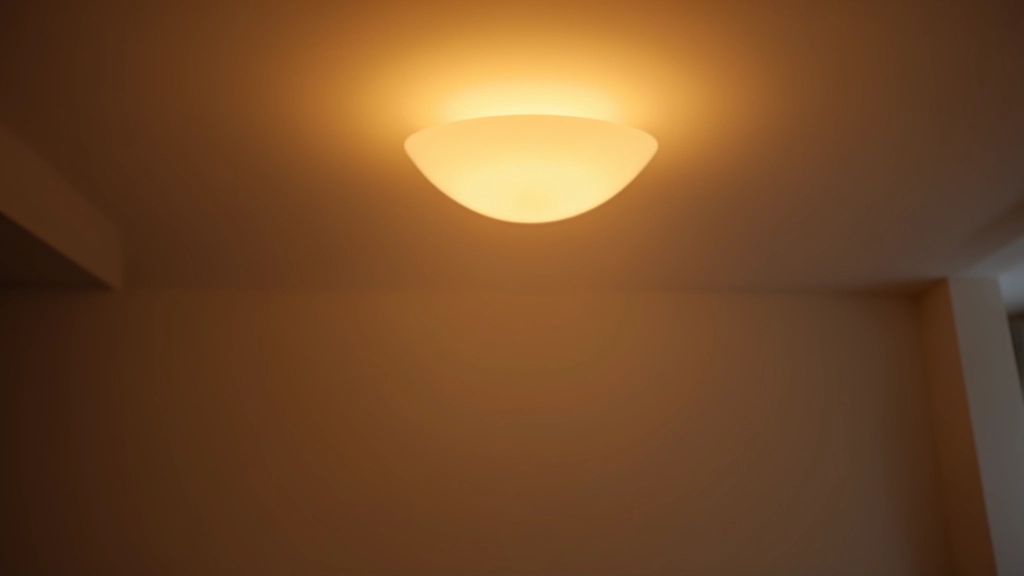
The first layer is ambient lighting. That's your overhead fixture, ceiling light, or whatever gives the room its baseline brightness. But here's the thing — most people make their ambient light too bright and too harsh. You want it soft, diffused, like natural daylight on a cloudy afternoon. Not like you're standing in a hospital waiting room.
Task lighting comes next. This is where you actually see what you're doing — reading, cooking, working. A lamp on your nightstand, under-cabinet lights in the kitchen, a desk light. Task lights should be brighter and more focused than ambient. But they're local, not flooding the whole room.
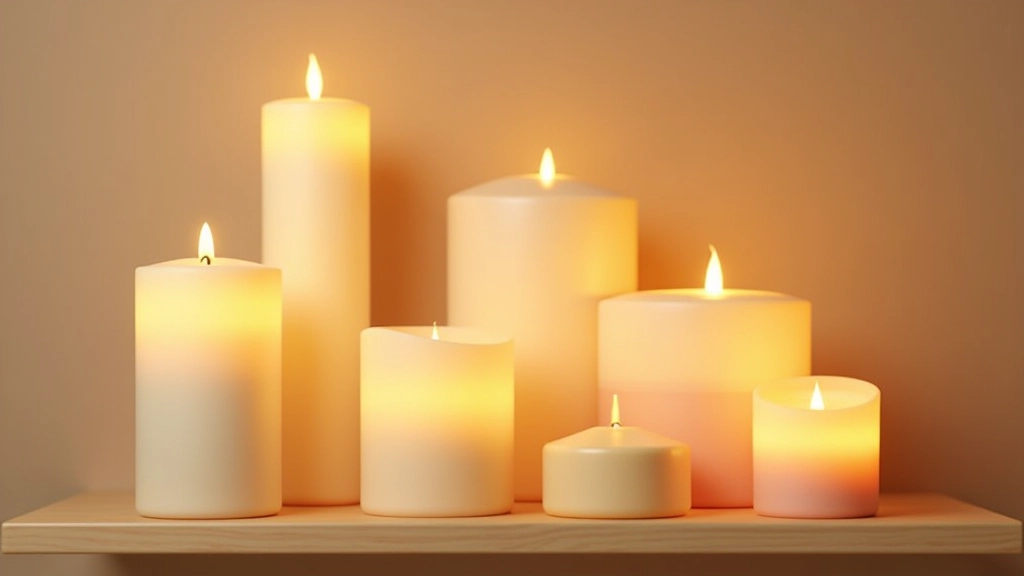
The third layer? Accent lighting. Wall sconces, picture lights, candles, string lights. These aren't about function. They're about atmosphere, about drawing your eye to something beautiful. They're what makes a room feel like a place you want to be.
Pro tip: Aim for a 3:1 ratio. Three parts ambient and task to one part accent. It sounds random, but it works because your eye naturally settles on the bright spots, making them feel more prominent even if they're technically dimmer.
Ambient Lighting: The Foundation
Your ambient layer should be dimmable. Full stop. A ceiling light you can't dim is a liability in any room. It's like owning a car that only goes 60 miles per hour — sometimes you need less.
If you've got a bare ceiling fixture, get a lampshade or diffuser for it. Frosted glass works. Fabric works. Even rice paper works in a pinch. The goal is spreading light evenly without shadows. You don't want that dramatic cone of light pointing down like a spotlight.
Bulb choice matters too. Warm white (2700K) feels cozier than cool white (4000K). The difference isn't subtle. One feels like home, the other feels like an office. Choose warm. Always.
Task Lighting: Where You Actually Work
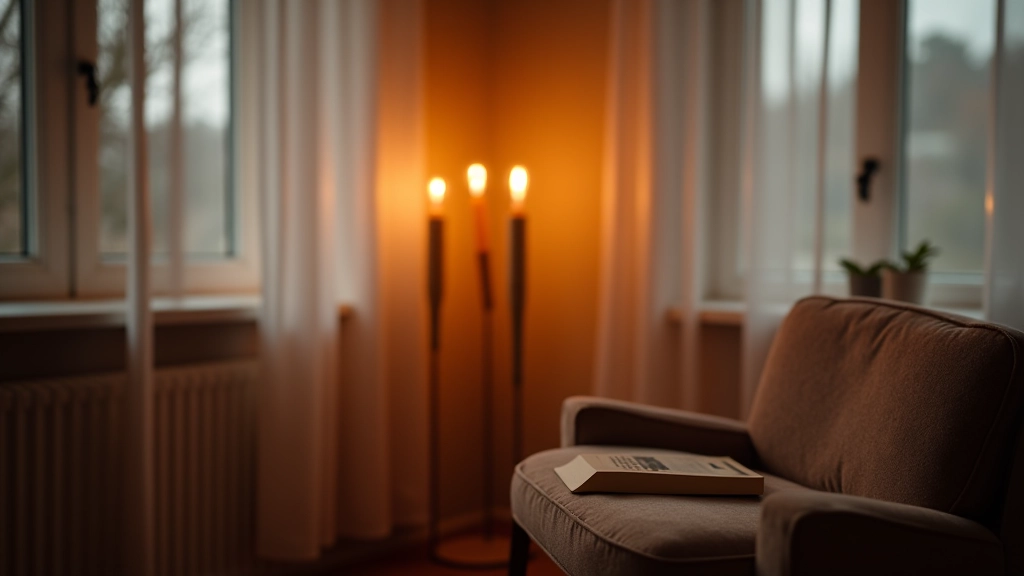
This is the practical layer. Where you need to see clearly. It's brighter than ambient, more focused, and it doesn't have to be soft. A desk lamp with a concentrated beam is perfect. So is a reading light over your favorite chair.
The trick is positioning. Put task lighting close to where you're doing the task — on your nightstand for reading, at eye level for desk work, under cabinets for cooking. Distance matters. A light 12 inches away is way more useful than one 5 feet away.
And don't forget brightness. Task lights should be 2-3 times brighter than your ambient layer. That's not exact science, but if you're squinting, your task light isn't doing its job.
Important Note: This guide is informational and meant to help you understand lighting design principles. Actual results depend on your room size, ceiling height, wall colors, and existing fixtures. For complex electrical installations or if you're unsure about safety, consult a licensed electrician. Light preferences are personal — what feels cozy to one person might feel dim to another, so experiment and adjust to your comfort level.
Accent Lighting: The Magic Layer
Here's where things get fun. Accent lighting isn't about seeing — it's about feeling. A sconce on either side of your bathroom mirror? That's accent. String lights draped across your bedroom? Accent. Candles on your coffee table? Definitely accent.
Accent lights should draw attention. They're brighter spots in the overall landscape. But they're not bright enough to light the whole room — they're intentional. Strategic. They say, "Look here, this matters."
The best part? Accent lighting is cheap. Candles cost a few dollars. String lights under $20. A sconce from a home store, maybe $40-80. You're not investing in overhead infrastructure. You're adding personality.
Putting It All Together
Let's say you're redesigning your bedroom. Start with ambient — maybe a ceiling fixture on a dimmer, 2700K warm white. That's your baseline. Then add task lighting — a bedside lamp for reading, bright enough that you're not straining your eyes.
Finally, accent. A couple of candles on your dresser. Maybe a small wall sconce above the bed. These aren't bright, but they're visible. They create depth.
When all three layers are working, something shifts. The room stops feeling flat. It feels intentional. Comfortable. Like you actually chose how it looks instead of just accepting whatever came standard.
The real skill isn't knowing which lights to buy. It's understanding why you're buying them. Each layer serves a purpose. Each one makes the space feel more like yours.
Quick Checklist
- Ambient: Is it dimmable? Warm white (2700K)?
- Task: Do you have enough light to actually see?
- Accent: Does something catch your eye and draw you in?
- Balance: Does the room feel welcoming, not clinical?
Common Mistakes to Avoid
One mistake people make is going too dim. They're afraid of harsh light, so they create a space that's basically a cave. You can't see anything. Task lighting fixes this — it's not harsh, it's functional. You need both.
Another mistake? Ignoring bulb color. Cool white light in a bedroom is a crime. It keeps you alert when you should be winding down. Warm white throughout your home makes an enormous difference in how cozy it feels.
And maybe the biggest one — treating lighting as an afterthought. People redesign their whole room, paint the walls, buy new furniture, and then wonder why it doesn't feel right. Lighting isn't decoration. It's foundational. Get it right, and everything else looks better.