Beyond Basic Bulbs: String Lights & Accent Ideas
Affordable ways to add warmth using string lights, wall sconces, and unusual fixtures. Inspiration from real Klaipėda homes that nailed it.

Why String Lights Transform a Space
String lights aren't just for Christmas anymore. They're genuinely one of the easiest ways to make any room feel warmer without spending much money. The thing is, most people install them once and think they're done. But placement matters more than you'd think.
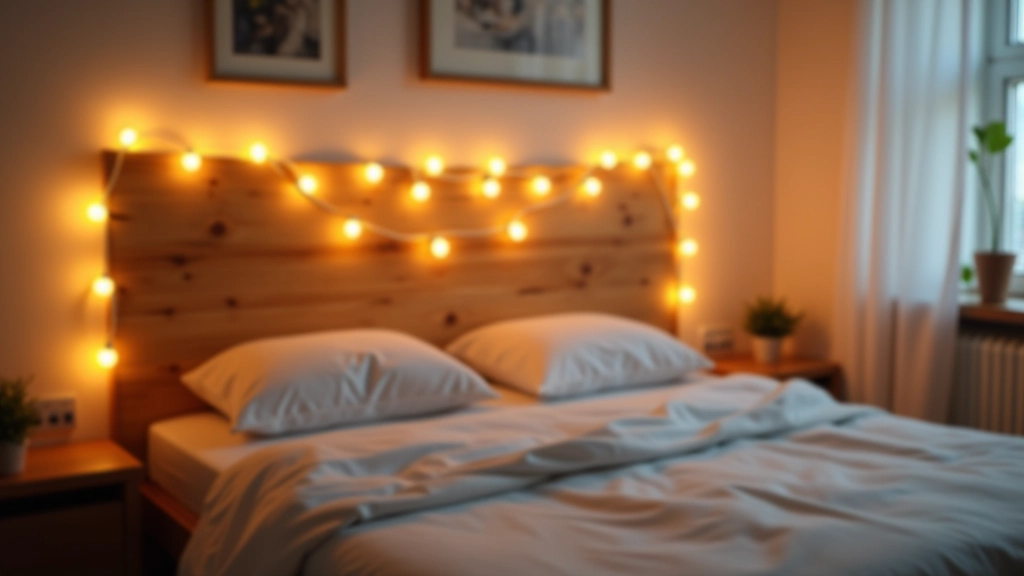
When you drape them loosely above a bed, they create depth. When you run them along shelving, they highlight what's actually there. We've seen apartments in Klaipėda completely change character with a single string of warm-white bulbs. The difference between basic overhead lighting and a room with layers? It's dramatic.
Key Insight
Warm white (2700K or lower) always beats cool white for cozy spaces. Don't settle for daylight color temperatures if you're going for atmosphere.
Smart Placement Techniques
Here's what we've learned from actually installing these in real homes. String lights work best when they're not the only light source. They're accents, not the main event.
Identify Your Focal Point
Is it the bed? The reading corner? The dining table? Run your strings above or around that area. This draws the eye and creates intentional atmosphere instead of random decoration.
Use Tension, Not Droops
A slight sag looks intentional and cozy. But drooping all the way to the floor looks sloppy. Aim for gentle curves that follow your space's geometry.
Mix with Other Accent Lighting
Pair them with a single wall sconce or floor lamp. This creates layers. You'll notice the depth immediately. The strings alone are pretty, but combined they're powerful.
Wall Sconces & Unusual Fixtures
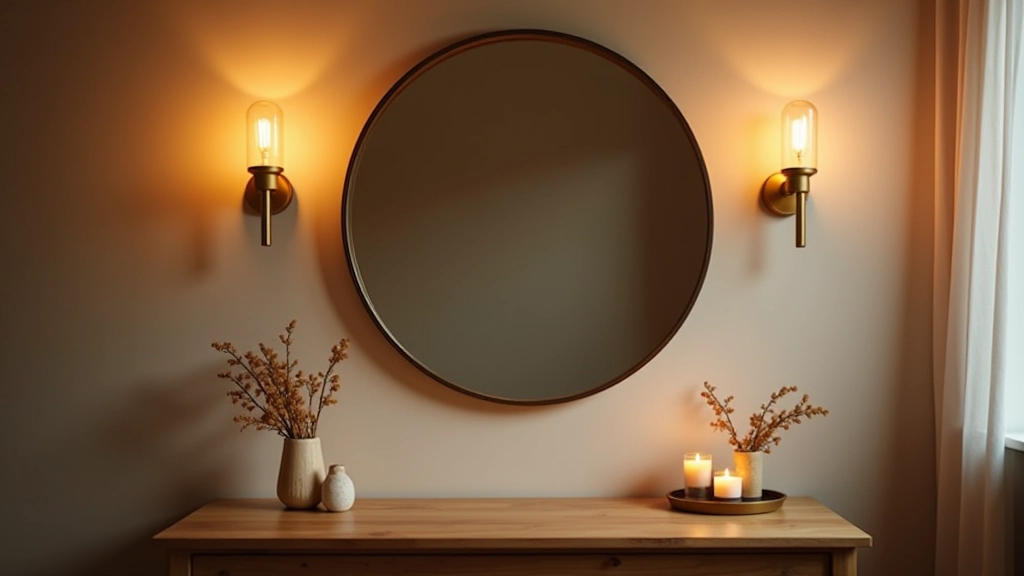
String lights are the obvious choice, but wall sconces? They're underrated. A single sconce beside a mirror completely changes how a room feels. We're talking about €30-80 for a decent one that'll last years.
Don't limit yourself to standard fixtures either. Brass pendant lights from the 1970s, vintage Edison bulbs in simple sockets, even hanging glass orbs — they all work if the color temperature matches. That's the real secret. Everything warm white, nothing too bright, nothing too dim.
Wall Sconces
Mounted on either side of mirrors or above bedside tables. Creates symmetry and balance.
Pendant Lights
Hanging from the ceiling. Great over dining tables or reading nooks. Single or clustered.
Table Lamps with Character
Vintage bases, ceramic, brass — paired with warm linen shades. These ground a room.
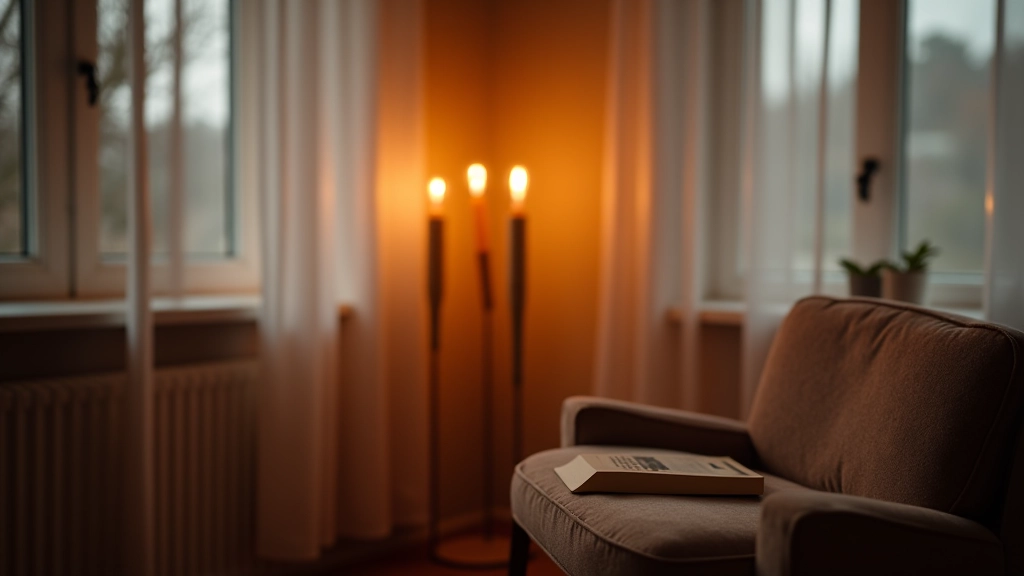
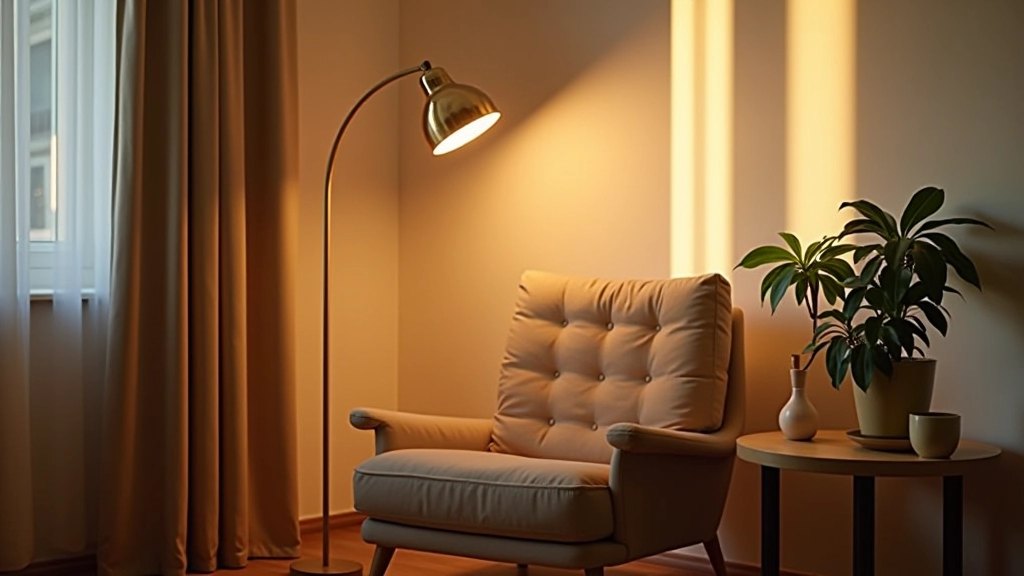
Floor Lamps in Corners
Arc lamps especially. They illuminate without being intrusive. Perfect for reading areas.
About This Guide
This article provides general lighting ideas based on real experiences in Klaipėda homes. Always follow manufacturer safety instructions when installing electrical fixtures. If you're uncomfortable with any installation, hire a qualified electrician. Lighting preferences are personal — these suggestions are starting points, not rules.
Practical Tips for Installation
You don't need an electrician for string lights. Adhesive hooks, small nails, or even fishing line work depending on your walls. The real consideration is cord management.
Hide the cord behind furniture or along the ceiling edge. Run it down to a socket that's out of sight. This matters more than people think. You'll notice messy cords immediately, but hidden ones disappear into the design.
Creating Warmth Is Simpler Than You Think
Lighting isn't complicated. It's about choosing warm colors, layering different sources, and being intentional with placement. String lights, wall sconces, pendant lights — they're all affordable tools for creating atmosphere in your Klaipėda home.
Start small. Add a single string or one wall sconce. See how it feels. Then build from there. The best lighting design is the one you actually enjoy living with, not the one that looks perfect in a magazine.
Ready to Add More Warmth?
Explore our complete guide on layering light techniques for maximum coziness.
Read the Layering Guide